
Providing quality therapy for individuals and couples in-person in Roseville, and virtually throughout California ✧ Email or Text us
Insomnia Therapy & CBT-I
Evidence-based therapy for insomnia, sleep anxiety, and chronic sleep problems
You may also be looking for:
Serving adults throughout Roseville, Rocklin, Granite Bay, Lincoln, Folsom, and throughout California via telehealth.
Insomnia & Sleep Issues
Offered by Lara Petrou, ASW
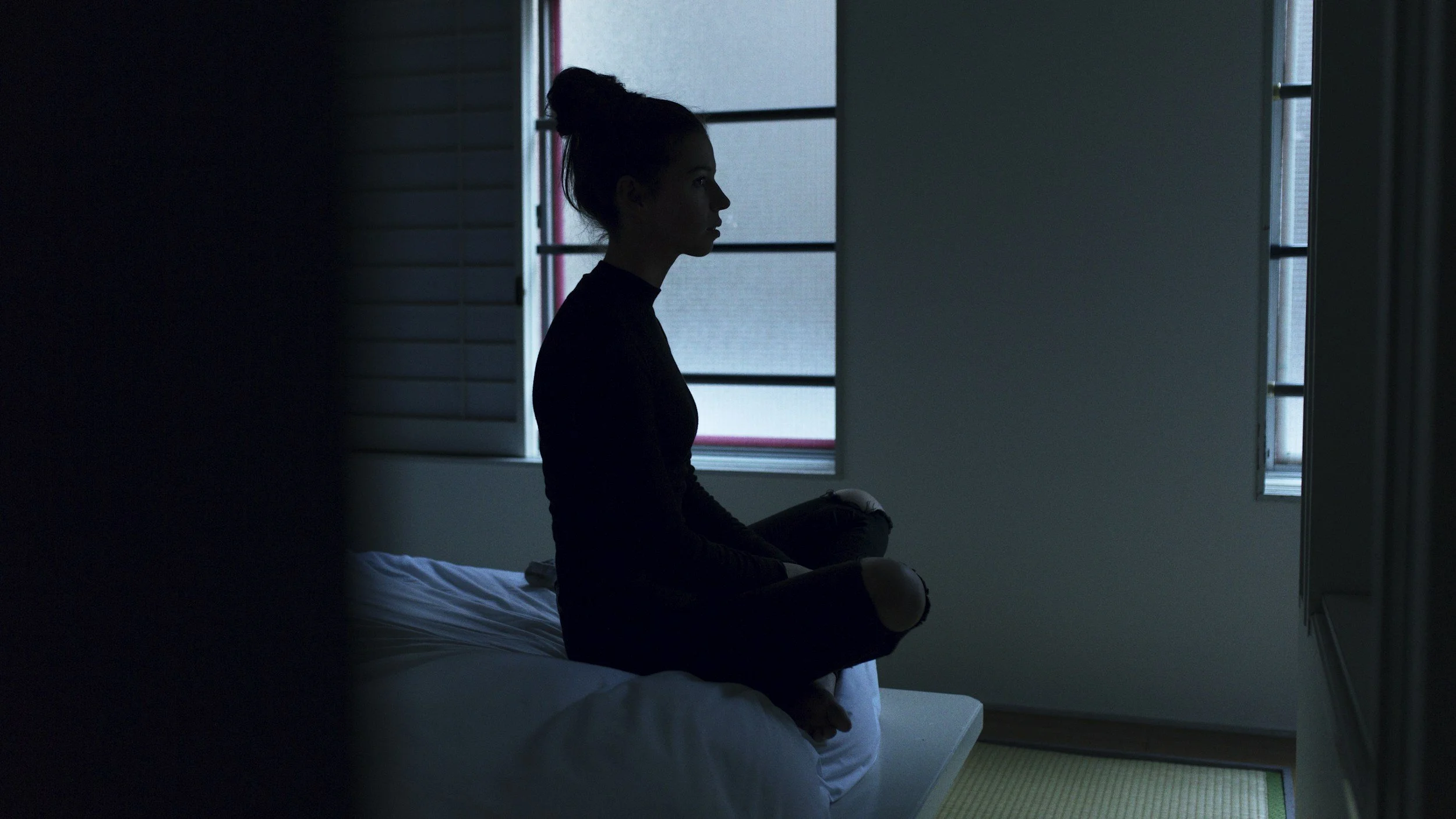
When sleep becomes difficult night after night, bedtime itself can start to feel stressful. You may find yourself watching the clock, worrying about whether you'll sleep, spending more time in bed trying to catch up, or feeling increasingly anxious as nighttime approaches.
Lara Petrou, ASW, provides CBT-I and insomnia therapy in Roseville and online throughout California for adults struggling with chronic insomnia and persistent sleep difficulties. Cognitive Behavioral Therapy for Insomnia (CBT-I) is a structured, evidence-based approach designed to address the patterns that can keep sleep problems going—even when you're exhausted and desperately want to sleep.
Serving adults throughout Roseville, Rocklin, Granite Bay, Lincoln, Folsom, and throughout California via telehealth.
What is CBT-I?
CBT-I, short for Cognitive Behavioral Therapy for Insomnia, is the leading treatment for chronic insomnia. It’s recommended as the first choice, ahead of sleep medication, by the American College of Physicians, the National Institutes of Health, and the American Academy of Sleep Medicine.
Instead of sedating you to sleep, CBT-I works by changing the habits and thought patterns that keep insomnia going, things like spending too much time in bed, trying to force sleep, or lying awake feeling frustrated. Because it addresses the root causes rather than masking the symptom, the results tend to last well after treatment ends.
Who Can Benefit From CBT-I and Insomnia Therapy?
CBT-I isn’t only for people whose sole issue is sleep. Sleep and anxiety are often closely connected. Research shows it also improves outcomes for people managing insomnia alongside chronic pain, cancer, heart disease, PTSD, substance use, or depression, and it tends to improve mood symptoms in people dealing with both insomnia and depression together.
Why It Works
Chronic insomnia is often perpetuated by learned patterns, not a permanent change in your body’s ability to sleep. Because these patterns are learned, they can be unlearned. Common patterns CBT-I addresses include:
Negative or distorted beliefs about sleep
A sense of having lost control over sleep
Spending too much time in bed
Irregular bed and wake times
Racing thoughts at bedtime
What to Expect from CBT-I
A short course of treatment. Most people see measurable improvement in 5 to 8 weekly sessions, faster than may other forms of therapy
A concrete approach. CBT-I is more structured than many talk therapies; it targets the physical process of sleep along with the behaviors and thoughts that disrupt it
A sleep diary. You’ll track your sleep each week so you and your therapist can measure real progress, not just how you feel about it
Fits with your other work. It can be worked on alongside anything else you’re addressing in therapy
Commitment. CBT-I asks you to change real habits, like how much time you spend in bed, and some weeks can feel harder before they feel easier. That short-term fatigue is sometimes a part of the path to a longer-term fix
Backed by Research
In a 2024 study following people over several months, those who started with CBT-I were substantially more likely to see their insomnia fully resolve than those who started with medication (about 41% versus 28%). People also stuck with CBT-I through to the end of treatment more often than they did with medication. In everyday clinical practice, close to half of the people were in remission right after treatment, and just over half stayed there a year later.
A quick note before you start. CBT-I works best alongside, not instead of, care for anything else going on. If you’re managing depression, substance use, or a psychotic disorder, it’s important that you’re already being treated for that before beginning CBT-I, since it’s designed as a sleep-focused addition to your care, not a replacement for it. If you’re currently taking a sleep medication, don’t stop or taper it on your own; any changes should be made together with the doctor who prescribed it. And if you or a partner have noticed loud snoring, gasping, or pauses in breathing during sleep, mention it early on, since that can point to something like sleep apnea that’s worth ruling out first.
If sleep has felt out of your control for a while, you don't have to keep trying to solve it on your own. Lara Petrou, ASW, offers CBT-I and insomnia therapy in Roseville and online throughout California.
Reach out to schedule an initial appointment. Together, you can assess what's contributing to your sleep difficulties and whether CBT-I is the right approach for you.
Ready to Sleep Better?
Further Reading & Resources
CBT-I Coach (free app for support between sessions)

Frequently Asked Questions
Still wondering if counseling is the next right step? Here are answers to some of the questions we hear most often.
-
CBT-I is the leading treatment for chronic insomnia, and it also tends to improve outcomes for people managing insomnia alongside chronic pain, cancer, heart disease, PTSD, substance use, or depression. If insomnia comes with a lot of racing thoughts, too much time in bed, or bedtime that feels like a battle, this is built for that.
-
Most people see measurable improvement in 5 to 8 weekly sessions, faster than many other forms of therapy. Progress builds gradually though, and some weeks can feel harder before they feel easier; that short-term effort is often part of what gets you to a lasting fix.
-
Not exactly. CBT-I is grounded in the physical process of sleep, along with the behaviors and thoughts that shape it, more than talk therapy alone. You’ll also keep a sleep diary each week so you and your therapist can track real progress, not just how you feel about it.
-
Yes. CBT-I doesn’t treat insomnia as “all in your head” and it’s designed to pair with whatever else you’re working on. That said, if you’re managing depression, substance use, or a psychotic disorder, it’s important that you’re already being treated for that before beginning CBT-I, since it’s meant to be a sleep-focused addition to your care, not a replacement for it.
-
Don’t stop or taper it on your own. Any changes should be made together with the doctor who prescribed it; CBT-I can be used alongside medication and often helps people reduce their reliance on it over time, but that’s a conversation for you and your prescriber.
-
Yes, early on. Loud snoring interrupted by silence, gasping, or witnessed pauses in breathing can point to something like sleep apnea, which is worth ruling out before or alongside starting CBT-I.
-
We'll look at your sleep pattern, what's been keeping it going, and anything else going on that
might affect fit, like current mental health treatment, medications, or signs of another sleep disorder such as apnea. If it’s not immediately clear whether CBT-I is the right starting point, we may try a few sessions together to see how it’s working before committing to the full course.
-
Yes. Lara Petrou, ASW, provides CBT-I and insomnia therapy at Magnolia Therapy & Wellness in Roseville, California. Online therapy is also available for clients located throughout California.
You May Also Be Looking For…
If your concerns are more specific, you may find one of these pages helpful:
Individual Therapy For adults navigating anxiety, life transitions, and emotional distress
Menopause Therapy Specialized therapy addressing the emotional, physical, and relational impacts of perimenopause
Trauma Therapy For individuals processing past or current traumas
Ready to Get Started?

In person and online throughout California
Office Location:
970 Reserve Drive, Suite 170, Roseville, CA 95678
Info@MagnoliaTherapyServices.org
By appointment only